

Does wood plastic wallboard fade over time?
Jul 20, 2026
Does wood plastic wallboard fade over time?
As a supplier of wood plastic wallboard, I often get asked whether our products fade over time. It's a valid concern, as the appearance of wallboards can significantly impact the overall aesthetic of a space. In this blog post, I'll delve into the factors that can cause fading in wood plastic wallboards and discuss how our products are designed to resist this issue.
Understanding the Causes of Fading
Fading in wallboards can be attributed to several factors, including exposure to sunlight, environmental conditions, and the quality of the materials used. Let's take a closer look at each of these factors:
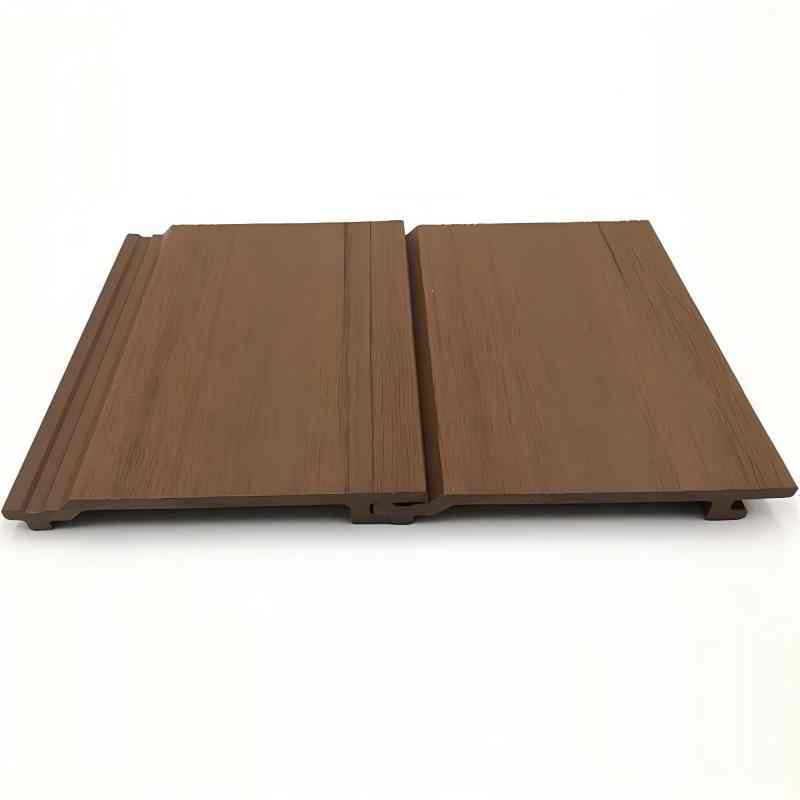
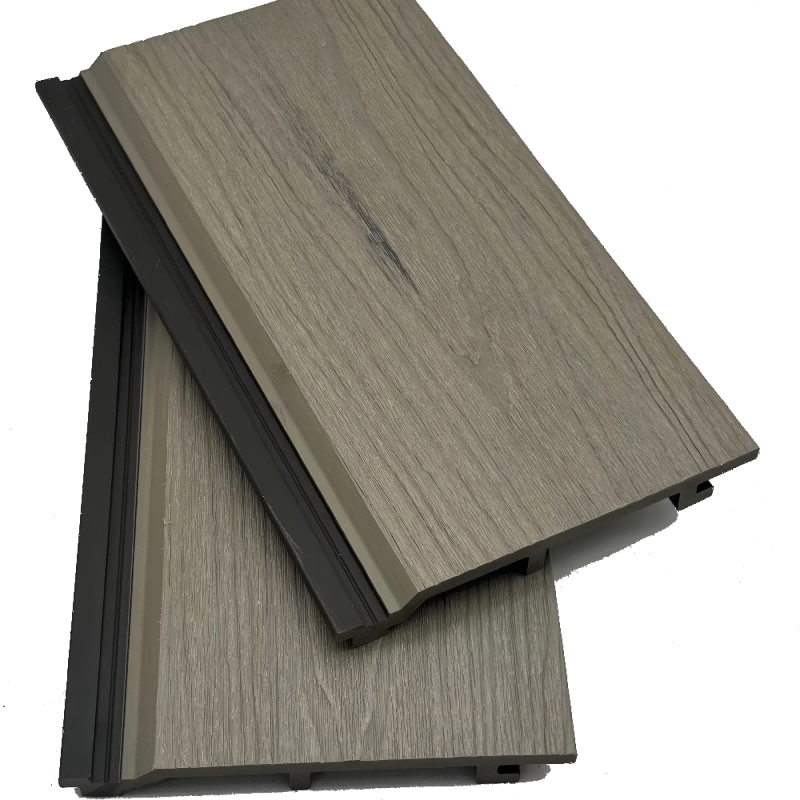
- Sunlight Exposure: Ultraviolet (UV) rays from the sun are one of the primary causes of fading in wallboards. When wallboards are exposed to direct sunlight for extended periods, the UV rays can break down the pigments in the material, causing it to lose its color. This is particularly true for wallboards installed in areas with high levels of sunlight, such as near windows or in outdoor spaces.
- Environmental Conditions: In addition to sunlight, environmental conditions such as humidity, temperature, and air pollution can also contribute to fading. High humidity levels can cause the wallboard to absorb moisture, which can lead to discoloration and fading. Extreme temperatures can also cause the material to expand and contract, which can damage the surface and lead to fading. Air pollution, such as dust and smoke, can also accumulate on the surface of the wallboard, causing it to appear dull and faded.
- Quality of Materials: The quality of the materials used in the manufacturing of wood plastic wallboards can also affect their resistance to fading. Low-quality materials may contain inferior pigments or additives that are more prone to fading over time. Additionally, the manufacturing process can also impact the durability of the wallboard. Wallboards that are poorly manufactured may have a weaker surface layer, which can make them more susceptible to fading.
How Our Wood Plastic Wallboards Resist Fading
At our company, we understand the importance of providing high-quality wallboards that are resistant to fading. That's why we use advanced manufacturing techniques and high-quality materials to ensure that our products are durable and long-lasting. Here are some of the ways our wood plastic wallboards are designed to resist fading:
- UV Protection: Our wallboards are treated with a special UV-resistant coating that helps to protect them from the harmful effects of sunlight. This coating acts as a barrier, preventing the UV rays from penetrating the surface of the wallboard and causing fading. As a result, our wallboards can maintain their color and appearance for longer periods, even when exposed to direct sunlight.
- Moisture Resistance: Our wallboards are also designed to be moisture-resistant, which helps to prevent discoloration and fading caused by humidity. The materials used in our wallboards are engineered to repel water, making them suitable for use in areas with high humidity levels, such as bathrooms and kitchens. Additionally, our wallboards are treated with a water-resistant sealant that further enhances their moisture resistance.
- High-Quality Pigments: We use high-quality pigments in the manufacturing of our wallboards to ensure that they have a vibrant and long-lasting color. These pigments are specifically formulated to resist fading, even when exposed to sunlight and other environmental factors. As a result, our wallboards can maintain their color and appearance for years, providing a beautiful and durable solution for your walls.
Comparing Our Wallboards to Other Options
When it comes to choosing wallboards for your home or business, there are several options available on the market. However, not all wallboards are created equal. Here's how our wood plastic wallboards compare to other popular options:
- Traditional Wood Wallboards: Traditional wood wallboards are a popular choice for many homeowners and businesses. However, they are prone to fading, warping, and rotting, especially when exposed to moisture and sunlight. Our wood plastic wallboards, on the other hand, are designed to be more durable and resistant to fading, making them a better choice for long-term use.
- Drywall: Drywall is another common option for wallboards. While it is relatively inexpensive and easy to install, it is not very durable and can be easily damaged. Our wood plastic wallboards, on the other hand, are more durable and resistant to damage, making them a better choice for high-traffic areas.
- Tile: Tile is a popular choice for bathrooms and kitchens, but it can be expensive and difficult to install. Our wood plastic wallboards offer a more affordable and easy-to-install alternative to tile, while still providing a similar look and feel.
Conclusion
In conclusion, fading is a common concern when it comes to wallboards. However, by choosing high-quality wood plastic wallboards that are designed to resist fading, you can ensure that your walls maintain their color and appearance for years to come. At our company, we are committed to providing our customers with the best possible products and services. If you have any questions or would like to learn more about our wood plastic wallboards, please don't hesitate to contact us. We would be happy to help you find the perfect wallboard solution for your needs.