

Is wpc wall paneling suitable for Japanese - style interiors?
Jul 27, 2026
As a WPC wall paneling supplier, I've often been asked whether WPC wall paneling is suitable for Japanese-style interiors. In this blog, I'll delve into this topic, exploring the characteristics of WPC wall paneling and how it aligns with the principles of Japanese interior design.
Understanding Japanese-Style Interiors
Japanese-style interiors are renowned for their simplicity, harmony, and connection with nature. Key elements include the use of natural materials such as wood, bamboo, and tatami, a minimalist color palette typically consisting of earthy tones like beige, brown, and white, and a focus on creating a sense of tranquility and balance. The design often incorporates sliding doors, shoji screens, and open floor plans to enhance the flow of space and promote a seamless connection between indoor and outdoor areas.
Characteristics of WPC Wall Paneling
WPC, or Wood-Plastic Composite, is a material made by combining wood fibers or flour with thermoplastics. This combination results in a product that offers several advantages:
- Durability: WPC wall paneling is highly resistant to moisture, rot, and insects, making it suitable for use in various environments, including areas prone to high humidity.
- Low Maintenance: Unlike traditional wood paneling, WPC requires minimal maintenance. It doesn't need to be painted or stained regularly, and it can be easily cleaned with a damp cloth.
- Versatility: WPC wall paneling comes in a wide range of colors, textures, and patterns, allowing for greater design flexibility. It can mimic the look of natural wood, stone, or other materials, making it a versatile option for different interior styles.
- Eco-Friendly: WPC is considered an eco-friendly material as it uses recycled wood and plastic, reducing the demand for virgin materials.
Suitability of WPC Wall Paneling for Japanese-Style Interiors
1. Natural Aesthetics
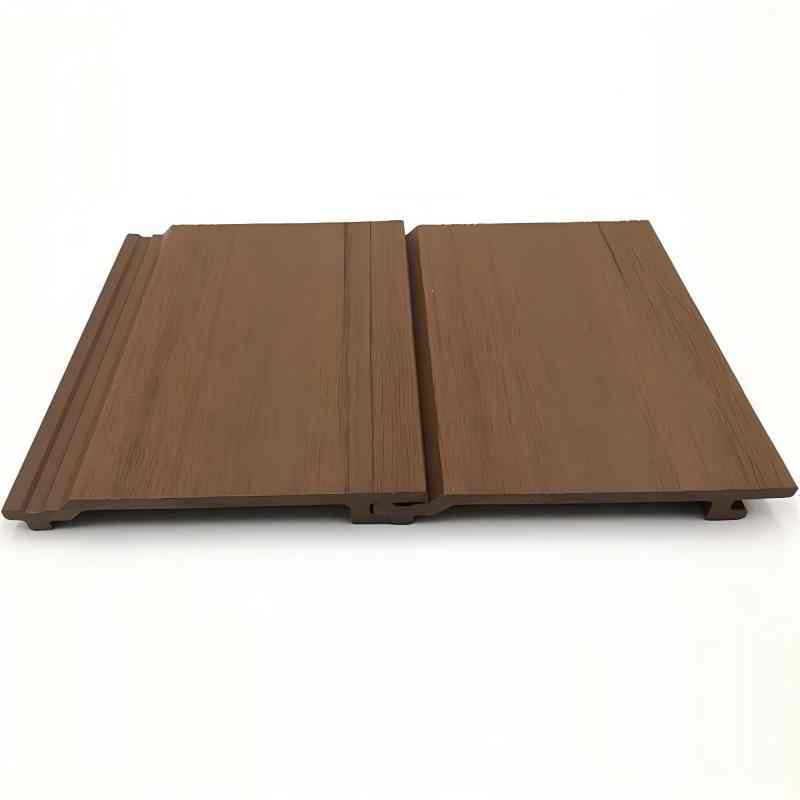
One of the hallmarks of Japanese-style interiors is the use of natural materials. WPC wall paneling can mimic the look and texture of natural wood, providing a similar warm and inviting atmosphere. The natural grain patterns and earthy tones of WPC can blend seamlessly with other elements in a Japanese-style interior, such as tatami mats, bamboo furniture, and paper lanterns. For example, a WPC Wall Board with a wood-like finish can be used to create a feature wall in a living room, adding a touch of nature to the space.
2. Durability and Longevity
Japanese-style interiors are designed to stand the test of time. WPC wall paneling's durability makes it a suitable choice for long-term use. It can withstand the wear and tear of daily life, including scratches, dents, and moisture. This is particularly important in areas such as bathrooms and kitchens, where traditional wood paneling may be prone to damage. The WPC Wall Cladding can be used in these areas to provide a durable and attractive solution.

3. Maintenance
In Japanese culture, simplicity and cleanliness are highly valued. WPC wall paneling's low maintenance requirements align well with these principles. It can be easily cleaned with a mild detergent and water, eliminating the need for extensive upkeep. This makes it an ideal choice for busy households or commercial spaces where time and resources are limited.
4. Design Flexibility
Japanese-style interiors often feature clean lines and a minimalist aesthetic. WPC wall paneling can be easily cut and installed to create custom designs and shapes, allowing for greater design flexibility. It can be used to create accent walls, partitions, or even entire room interiors. The WPC Wall Siding can be used to add a unique touch to the exterior of a building, while still maintaining the Japanese-style aesthetic.
Considerations and Limitations
While WPC wall paneling offers many advantages for Japanese-style interiors, there are also some considerations and limitations to keep in mind:
- Authenticity: While WPC can mimic the look of natural wood, it may not provide the same level of authenticity as real wood. Some purists may prefer the use of traditional wood materials in a Japanese-style interior.
- Cost: WPC wall paneling can be more expensive than some other types of wall paneling. However, its durability and low maintenance requirements may offset the initial cost over time.
- Installation: Proper installation is crucial for the performance and appearance of WPC wall paneling. It is recommended to hire a professional installer to ensure a proper fit and finish.
Conclusion
In conclusion, WPC wall paneling can be a suitable choice for Japanese-style interiors. Its natural aesthetics, durability, low maintenance requirements, and design flexibility make it a versatile option that can enhance the beauty and functionality of a space. However, it's important to consider the authenticity, cost, and installation requirements when choosing WPC wall paneling for a Japanese-style interior.
If you're interested in using WPC wall paneling for your Japanese-style interior project, I encourage you to contact me to discuss your specific needs and requirements. I'm here to help you find the perfect solution for your space.
References
- "Japanese Interior Design: A Guide to Creating a Tranquil and Harmonious Space" by Tadao Ando
- "The Art of Japanese Interior Design" by Hiroshi Sugimoto
- "WPC Wall Paneling: A Comprehensive Guide" by ABC Publishing