

Are square decking tiles slip - resistant?
Aug 28, 2026
Are square decking tiles slip-resistant?
As a supplier of square decking tiles, I often encounter questions from customers about the slip resistance of our products. Slip resistance is a crucial factor when it comes to decking, especially in areas prone to moisture, such as patios, pool decks, and terraces. In this blog post, I will delve into the topic of slip resistance in square decking tiles, exploring the factors that influence it and how our products measure up.
Understanding Slip Resistance
Slip resistance refers to the ability of a surface to prevent slipping and provide traction for people walking on it. It is typically measured using a coefficient of friction (COF), which quantifies the amount of friction between the surface and the sole of a shoe. A higher COF indicates greater slip resistance.
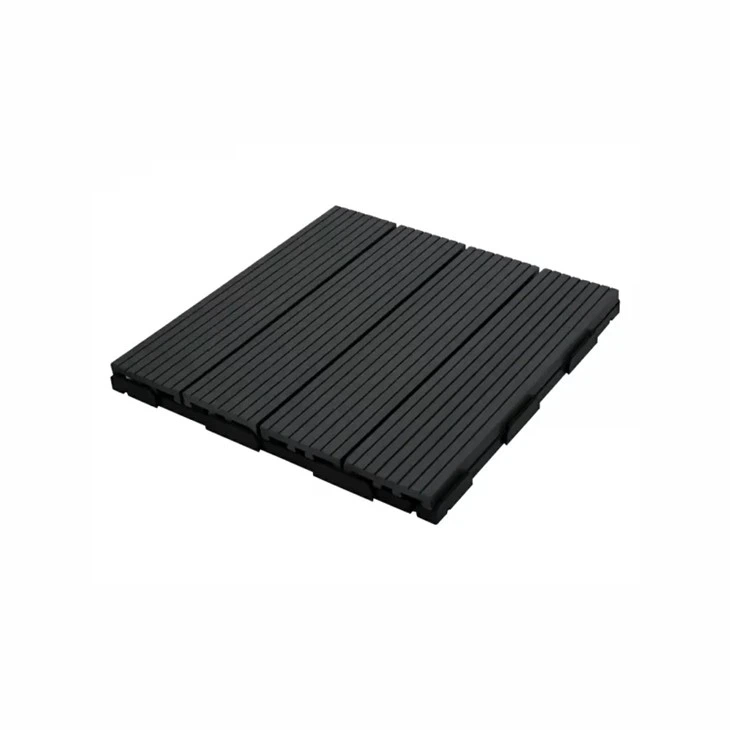

There are several factors that can affect the slip resistance of decking tiles, including:
- Surface texture: Tiles with a rough or textured surface tend to provide better traction than smooth tiles. This is because the texture creates more points of contact between the shoe and the surface, increasing friction.
- Material composition: Different materials have different levels of slip resistance. For example, natural stone tiles are generally more slip-resistant than ceramic or porcelain tiles.
- Moisture: Wet surfaces are more slippery than dry surfaces. Therefore, it is important to choose decking tiles that maintain their slip resistance even when wet.
- Cleanliness: Dirt, debris, and oil can reduce the slip resistance of decking tiles. Regular cleaning and maintenance are essential to ensure optimal slip resistance.
Slip Resistance of Square Decking Tiles
At our company, we offer a wide range of square decking tiles that are designed to provide excellent slip resistance. Our tiles are made from high-quality materials and feature a variety of surface textures to enhance traction.
One of our popular products is the WPC Tiles for Terrace. These tiles are made from wood-plastic composite (WPC), which is a durable and eco-friendly material. The surface of the WPC tiles is textured to provide excellent slip resistance, even when wet. They are also resistant to fading, staining, and mold, making them a great choice for outdoor use.
Another option is our DIY Interlocking Deck Tiles. These tiles are easy to install and can be customized to fit any space. They are made from a variety of materials, including PVC, rubber, and composite, and feature a non-slip surface that provides excellent traction.
For customers who are looking for extra slip resistance, we offer Anti Slip Decking Tiles. These tiles are specifically designed to prevent slipping and are ideal for areas that are prone to moisture, such as pool decks and patios. They feature a high coefficient of friction and are available in a variety of colors and styles.
Testing and Certification
To ensure the slip resistance of our square decking tiles, we conduct rigorous testing in our laboratory. We use industry-standard testing methods to measure the COF of our tiles and ensure that they meet or exceed the required safety standards.
In addition to our in-house testing, our tiles are also certified by independent third-party organizations. These certifications provide customers with peace of mind knowing that our products have been tested and approved for use in a variety of applications.
Maintenance and Care
To maintain the slip resistance of our square decking tiles, it is important to follow a regular maintenance and care routine. Here are some tips to help you keep your decking tiles in good condition:
- Clean regularly: Sweep or vacuum the tiles regularly to remove dirt, debris, and leaves. Use a mild detergent and water to clean the tiles as needed.
- Remove stains promptly: If a stain occurs, clean it up as soon as possible to prevent it from setting. Use a stain remover that is specifically designed for the type of tile you have.
- Avoid using abrasive cleaners: Abrasive cleaners can damage the surface of the tiles and reduce their slip resistance. Use a gentle cleaner instead.
- Check for damage: Regularly inspect the tiles for any signs of damage, such as cracks or chips. Replace any damaged tiles immediately to prevent further damage and ensure the safety of your deck.
Conclusion
In conclusion, slip resistance is an important consideration when choosing square decking tiles. Our company offers a wide range of slip-resistant decking tiles that are made from high-quality materials and feature a variety of surface textures to enhance traction. Our tiles are rigorously tested and certified to ensure that they meet or exceed the required safety standards. By following a regular maintenance and care routine, you can ensure that your decking tiles maintain their slip resistance and provide a safe and enjoyable outdoor space for years to come.
If you are interested in learning more about our square decking tiles or would like to discuss your specific needs, please contact us. Our team of experts is available to answer your questions and help you choose the right tiles for your project. We look forward to working with you!
References
- ASTM International. (2019). Standard Test Method for Measuring Wet Slipperiness of Common Walkway Surfaces Using a Variable Incidence Tribometer. ASTM F1679-19.
- National Floor Safety Institute. (n.d.). Slip Resistance Testing. Retrieved from https://www.nfsi.org/slip-resistance-testing/