

What is the noise level of DIY deck tiles when walked on?
Nov 26, 2026
What is the noise level of DIY deck tiles when walked on?
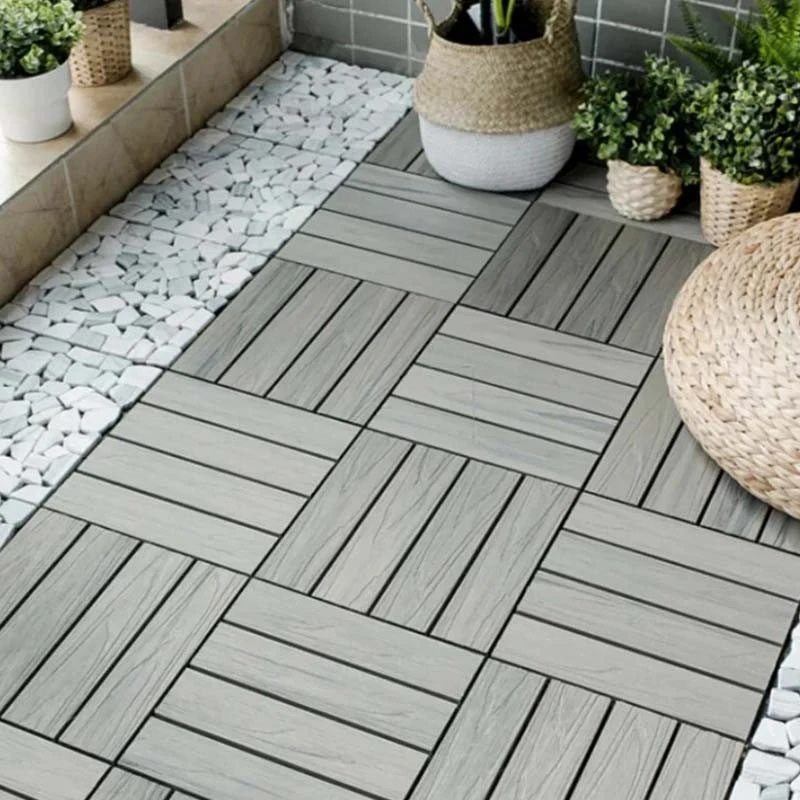
When it comes to creating an outdoor living space, DIY deck tiles have become a popular choice for many homeowners. They offer a convenient and cost - effective way to transform a patio or balcony into a beautiful and functional area. One aspect that often gets overlooked, however, is the noise level produced when walking on these tiles. As a DIY deck tiles supplier, I'm here to shed some light on this topic.
Factors Affecting Noise Level
The noise level of DIY deck tiles when walked on can be influenced by several factors. The first is the material of the tiles. Different materials have different acoustic properties.
Composite Materials
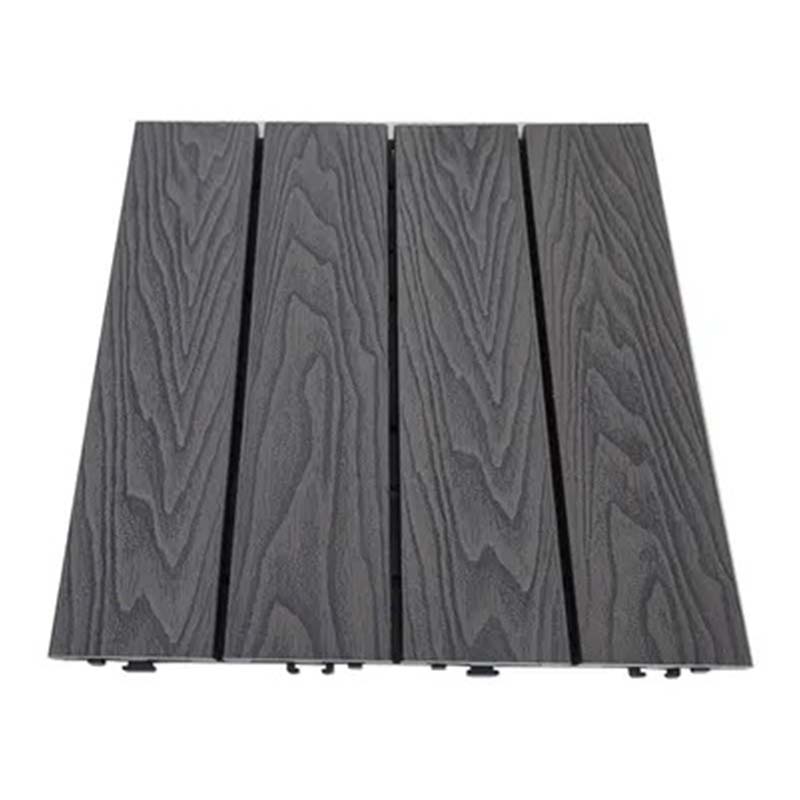
Composite deck tiles, such as the Century Outdoor Composite Deck Tiles, are made from a combination of wood fibers and plastic. These tiles tend to have a relatively low noise level when walked on. The plastic component helps to dampen the sound, and the wood fibers add a natural feel. The density of the composite also plays a role. Higher - density composites generally produce less noise as they are better at absorbing the impact of footsteps.
Solid Composite Decking Tiles
Solid Composite Decking Tiles are another option. They are more solid and uniform in structure compared to some other composite tiles. This solidity can lead to a slightly different noise profile. While they can still be relatively quiet, the sound may be more of a dull thud rather than a sharp click. The surface finish of these tiles can also affect the noise. A smooth finish may produce less noise than a textured one, as the texture can cause more friction and potentially more noise when walked on.
Wood Tiles
Traditional wood tiles can vary in noise level depending on the type of wood. Hardwoods like teak or oak are denser and may produce less noise compared to softer woods. However, wood tiles can be more prone to creaking over time, especially if they are not properly installed or maintained. The moisture content of the wood also matters. Wood that is too dry may be more likely to creak, while wood that is too wet can be slippery and may produce different sounds when walked on.
Installation Method
The way the DIY deck tiles are installed can significantly impact the noise level. If the tiles are not properly secured, they can shift and move when stepped on, creating a rattling or clicking noise. For example, if the tiles are simply laid on the ground without any interlocking mechanism or adhesive, they are more likely to move and produce noise. On the other hand, tiles that are tightly interlocked or glued down will generally be quieter.
The surface beneath the tiles also matters. If the tiles are installed on a hard, smooth surface like concrete, the noise may be more pronounced as the sound waves can bounce off the surface. In contrast, installing the tiles on a soft, absorbent surface like rubber padding can help to reduce the noise.
Measuring Noise Level
To measure the noise level of DIY deck tiles when walked on, we can use a sound level meter. This device measures the intensity of sound in decibels (dB). In a quiet residential area, the background noise level is typically around 30 - 40 dB. When walking on different types of DIY deck tiles, the noise level can range from around 40 - 60 dB, depending on the factors mentioned above.
For example, a well - installed composite deck tile may produce a noise level of around 40 - 45 dB when walked on, which is relatively quiet. On the other hand, a poorly installed wood tile with a lot of movement may produce a noise level closer to 60 dB.
Importance of Noise Level
The noise level of DIY deck tiles is important for several reasons. Firstly, if you have neighbors close by, a noisy deck can be a nuisance. Excessive noise can lead to complaints and strained relationships. Secondly, for your own comfort, a quiet deck allows you to enjoy your outdoor space without the distraction of loud footsteps. It can also enhance the overall relaxation and tranquility of the area.
Reducing Noise Level
If you're concerned about the noise level of your DIY deck tiles, there are several steps you can take.
Choose the Right Material
As mentioned earlier, composite materials are generally quieter than some other options. Consider choosing Composite Deck Board Tiles which are designed to be both durable and quiet.
Proper Installation
Make sure the tiles are installed correctly. Follow the manufacturer's instructions carefully. Use the appropriate interlocking mechanisms or adhesives to ensure the tiles are secure. If possible, install a layer of padding beneath the tiles to absorb some of the impact and reduce noise.
Maintenance
Regular maintenance of your deck tiles can also help to keep the noise level down. Check for any loose tiles and tighten them if necessary. Keep the tiles clean and dry to prevent warping or other issues that could lead to increased noise.
Conclusion
In conclusion, the noise level of DIY deck tiles when walked on is influenced by factors such as the material, installation method, and surface beneath the tiles. As a DIY deck tiles supplier, we offer a range of products, including Century Outdoor Composite Deck Tiles, Composite Deck Board Tiles, and Solid Composite Decking Tiles, that are designed to provide a quiet and enjoyable outdoor experience.
If you're interested in purchasing DIY deck tiles or have any questions about noise levels or other aspects of our products, we invite you to contact us for a detailed discussion and to explore the best options for your outdoor space.
References
- "Acoustic Properties of Building Materials" - Journal of Building Science
- "Composite Decking: A Guide to Materials and Installation" - Home Improvement Magazine