Working Principle Of Wood-plastic Wallboard: The Perfect Combination Of Environmental Protection And Practicality
Mar 13, 2025
In the field of building decoration materials, wood-plastic wallboard has gradually emerged with its unique advantages. Understanding its working principle can help us better understand this innovative material.
Wood-plastic wallboard is mainly composed of wood fiber and plastic. The basis of its working principle is the complementary advantages of the two. Wood fiber gives the wallboard a natural texture and a certain strength, while plastic provides waterproof, moisture-proof, and insect-proof properties.
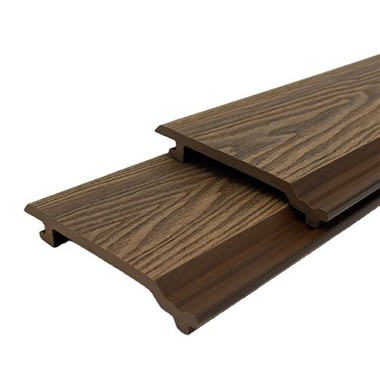
During the installation process, the wood-plastic wallboard is fixed to the wall through a special connector or installation system. This design is not only convenient and fast, but also ensures a close connection between the wallboards to form an integral decorative surface. For example, some wood-plastic wallboards use a slot connection. Just align the slot of one wallboard with the raised part of another wallboard and insert it, and the splicing can be easily completed, which greatly improves the installation efficiency.
In terms of performance, due to the composite structure of wood fiber and plastic, the wood-plastic wallboard has good stability and durability. It is not easily deformed or cracked by changes in temperature and humidity. At the same time, the plastic layer can effectively block the intrusion of moisture, protect wood fibers from corrosion, and extend the service life of the wallboard.
From an environmental protection perspective, wood-plastic wallboards use renewable resources and recycled plastics as raw materials, reducing the felling of wood and the generation of waste. During the production process, some advanced production processes reduce energy consumption and pollutant emissions, meeting environmental protection requirements.
In addition, wood-plastic wallboards are also easy to clean and highly decorative. Its surface is smooth and can be kept clean by wiping it with a damp cloth. At the same time, it can imitate a variety of wood textures and colors to meet the decoration needs of different styles.
With its unique working principle and excellent performance, wood-plastic wallboards have brought new choices to the building decoration industry.