

What is the installation gap for wpc wall paneling?
Nov 20, 2026
As a WPC (Wood Plastic Composite) wall paneling supplier, I've often been asked about the installation gap for WPC wall paneling. This seemingly minor detail can have a significant impact on the overall look, durability, and functionality of the wall paneling. In this blog, I'll delve into what the installation gap is, why it's important, and how to determine the appropriate gap for your WPC wall paneling project.
What is the Installation Gap for WPC Wall Paneling?
The installation gap refers to the space left between individual WPC wall panels during the installation process. It is a crucial aspect of the installation that allows for the natural expansion and contraction of the panels due to changes in temperature and humidity. WPC wall panels, like any other building material, are subject to environmental factors that can cause them to expand or contract. Without proper installation gaps, the panels may buckle, warp, or even crack over time, leading to an unsightly and potentially costly repair.
Why is the Installation Gap Important?
1. Accommodate Expansion and Contraction
WPC wall panels are made from a combination of wood fibers and plastic polymers. These materials have different coefficients of thermal expansion, which means they expand and contract at different rates when exposed to temperature and humidity changes. By leaving an installation gap, you provide room for the panels to expand and contract without causing damage to the panels or the wall structure.
2. Prevent Buckling and Warping
When WPC wall panels are installed without sufficient gaps, they can push against each other as they expand, causing them to buckle or warp. This not only affects the aesthetic appeal of the wall but also compromises the structural integrity of the paneling. A proper installation gap helps to prevent these issues by allowing the panels to move freely.
3. Improve Durability
By allowing for expansion and contraction, the installation gap helps to extend the lifespan of the WPC wall paneling. When the panels are not restricted, they are less likely to experience stress and damage, which can lead to premature wear and tear. This means that your wall paneling will look great and perform well for years to come.
4. Ensure a Professional Finish
A consistent installation gap gives the wall paneling a clean and professional look. It creates a uniform appearance that enhances the overall aesthetic of the space. Without a proper gap, the panels may appear uneven or misaligned, detracting from the beauty of the wall.
How to Determine the Appropriate Installation Gap
The appropriate installation gap for WPC wall paneling depends on several factors, including the type of panel, the environmental conditions, and the installation method. Here are some general guidelines to help you determine the right gap for your project:
1. Check the Manufacturer's Recommendations
The first step is to consult the manufacturer's installation instructions. They will typically provide specific guidelines on the recommended installation gap for their WPC wall panels. These recommendations are based on the material properties and testing of the panels, so it's important to follow them closely.
2. Consider the Environmental Conditions
The climate and environmental conditions in your area can have a significant impact on the expansion and contraction of the WPC wall panels. In areas with extreme temperature and humidity fluctuations, a larger installation gap may be required to accommodate the greater movement of the panels. On the other hand, in more stable environments, a smaller gap may be sufficient.
3. Account for the Panel Size
The size of the WPC wall panels also affects the installation gap. Larger panels tend to expand and contract more than smaller panels, so a larger gap may be needed for larger panels. Additionally, the length and width of the panels can influence the amount of movement, so it's important to consider these factors when determining the gap.
4. Use a Spacer
To ensure a consistent installation gap, it's recommended to use a spacer. A spacer is a small tool that helps to maintain a uniform gap between the panels during installation. You can purchase spacers specifically designed for WPC wall paneling or use common household items, such as coins or shims, as temporary spacers.
Installation Gap for Different Types of WPC Wall Panels
1. Composite Timber Wall Cladding
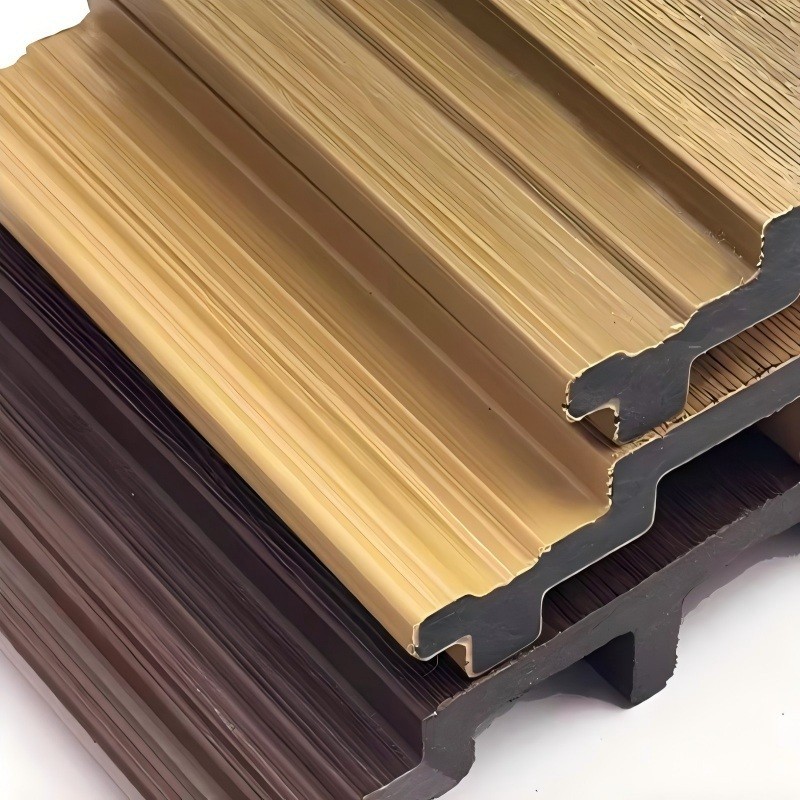
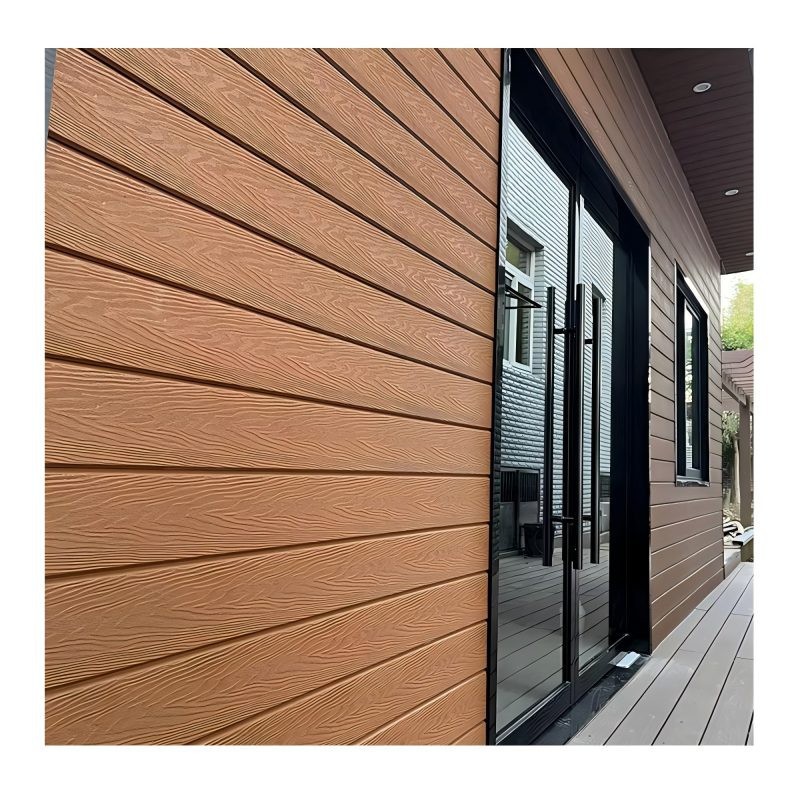
Composite Timber Wall Cladding is a popular choice for exterior and interior wall applications. It offers the appearance of natural wood with the durability and low maintenance of WPC. When installing composite timber wall cladding, a gap of approximately 3-5mm is typically recommended. This gap allows for expansion and contraction while maintaining a tight and seamless look.
2. Waterproof Shower Wall Panels
Waterproof Shower Wall Panels are designed to withstand the wet and humid conditions of a shower environment. These panels are often made from a high-quality WPC material that is resistant to moisture and mold. When installing waterproof shower wall panels, a gap of 2-3mm is usually sufficient. This gap helps to prevent water from seeping behind the panels and causing damage.
3. Wood Grain PVC WPC Wall Panels
Wood Grain PVC WPC Wall Panels are a cost-effective and versatile option for wall paneling. They feature a realistic wood grain texture that adds a warm and natural look to any space. When installing wood grain PVC WPC wall panels, a gap of 2-4mm is typically recommended. This gap allows for the panels to expand and contract while maintaining a smooth and continuous appearance.
Installation Tips for WPC Wall Paneling
1. Prepare the Wall Surface
Before installing WPC wall paneling, it's important to prepare the wall surface. The wall should be clean, dry, and free of any debris or protrusions. If the wall is uneven, it may be necessary to install a furring strip or a leveling compound to create a smooth and level surface.
2. Start from the Bottom
When installing WPC wall paneling, it's best to start from the bottom and work your way up. This helps to ensure that the panels are level and properly aligned. Use a level to check the vertical and horizontal alignment of the panels as you install them.
3. Secure the Panels
WPC wall panels can be installed using a variety of methods, including nails, screws, or adhesive. It's important to follow the manufacturer's recommendations for the specific installation method and to use the appropriate fasteners or adhesive. Make sure to secure the panels firmly to the wall to prevent them from shifting or coming loose.
4. Leave a Gap at the Top and Sides
In addition to the installation gap between the panels, it's also important to leave a gap at the top and sides of the wall paneling. This gap allows for the expansion and contraction of the panels and prevents them from pushing against the ceiling or walls. A gap of approximately 10-15mm is typically recommended at the top and sides.
Conclusion
The installation gap for WPC wall paneling is a critical factor that can affect the performance and appearance of the wall paneling. By understanding the importance of the installation gap and following the appropriate guidelines, you can ensure a successful installation that will last for years to come. If you have any questions or need further assistance with your WPC wall paneling project, please don't hesitate to contact us. We are a leading supplier of high-quality WPC wall paneling and can provide you with the products and support you need.
References
- Manufacturer's installation instructions for WPC wall panels
- Building codes and standards related to WPC wall paneling installation
- Industry research and studies on the expansion and contraction of WPC materials