Analysis of the main materials of wood-plastic wallboards
Apr 13, 2025
In today's architectural decoration field, wood-plastic wallboards have become a new type of environmentally friendly material that has attracted much attention due to their unique advantages. Understanding its main materials will help people better understand and choose this material.
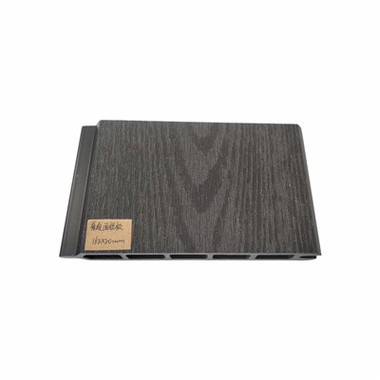
Wood-plastic wallboards are a new type of composite material, mainly composed of two core components: PVC resin and plant fiber.
PVC resin plays a key role in bonding and structural support. It is a common plastic material with good chemical stability, corrosion resistance and processing performance. After special formulation and processing technology, PVC resin can give wood-plastic wallboards a certain strength and rigidity, so that it can withstand a certain external force without being easily deformed. Moreover, it has the characteristics of waterproof and moisture-proof, which can effectively resist the erosion of water and ensure the performance of wallboards in humid environments.
Plant fiber is an important component of wood-plastic wallboards. Common plant fibers include wood powder, straw powder, etc. The addition of these plant fibers not only allows wood-plastic wallboards to retain the natural texture and beauty of wood, but also gives the product a certain elasticity and toughness. Plant fiber is obtained from natural plants, has a wide range of sources, is a renewable resource, and conforms to the concept of environmental protection.
In addition, in order to improve the performance of wood-plastic wall panels, some auxiliary materials will be added. For example, antioxidants can extend the service life of wall panels and prevent them from aging due to oxidation; colorants can give wall panels a variety of colors to meet different decorative needs.
These main materials of wood-plastic wall panels cooperate with each other, giving them many advantages that traditional materials cannot match. It has both the appearance and touch of wood, and the durability and waterproof performance of plastic. In the current era of energy conservation and environmental protection, wood-plastic wall panels, as a new type of sustainable development material, have a broad application prospect in the field of architectural decoration.